Table of Contents
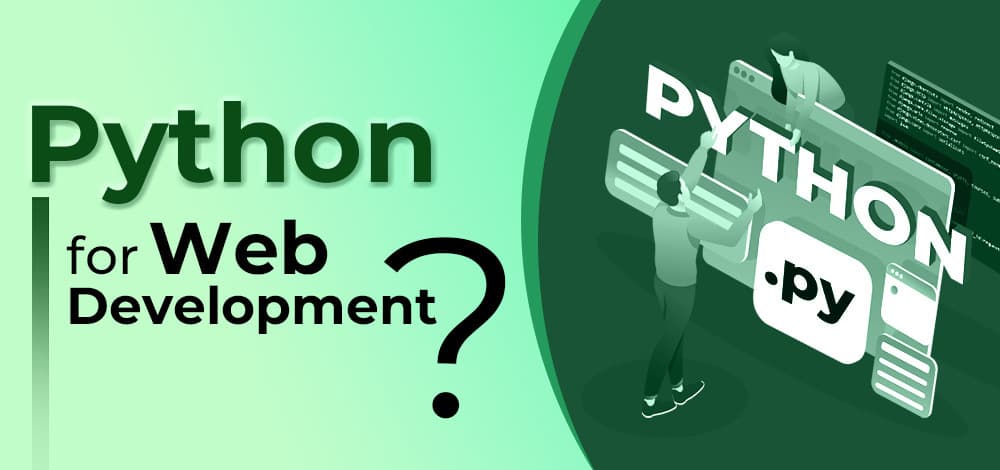
Python has long been admired for its simplicity and versatility, but in 2025 it has become a cornerstone of modern web development. From startups to enterprises, developers are leveraging Python’s vast ecosystem of frameworks, libraries, and AI integrations to build fast, scalable, and intelligent web applications.
Key Changes in the 2025 Core Update
| # | Key Changes & Highlights |
|---|---|
| 1 | Higher weight on user intent matching |
| 2 | Stronger emphasis on E-E-A-T (Experience, Expertise, Authoritativeness, Trust) |
| 3 | AI-generated content under stricter quality checks |
| 4 | Faster-loading, mobile-first websites ranking higher |
| 5 | Increased penalties for spammy backlinks and keyword stuffing |
What This Means for Businesses
Businesses need to go beyond keywords and focus on solving user problems. Optimizing for search experience, not just search engines, is key. Websites that deliver clear, authoritative, and fast experiences will benefit most.
Pro Tip
Think of SEO in 2025 as human-first, AI-assisted. Write for people, optimize for Google.
How to Adapt
To stay ahead, brands should:
| # | Action Steps to Adapt |
|---|---|
| 1 | Publish long-form, authoritative content |
| 2 | Ensure mobile speed & Core Web Vitals are optimized |
| 3 | Invest in high-quality backlinks instead of quantity |
| 4 | Leverage structured data & schema markup |
What This Means for Businesses
Businesses need to go beyond keywords and focus on solving user problems. Optimizing for search experience, not just search engines, is key. Websites that deliver clear, authoritative, and fast experiences will benefit most.
Pro Tip
Think of SEO in 2025 as human-first, AI-assisted. Write for people, optimize for Google.
How to Adapt
To stay ahead, brands should:
- Publish long-form, authoritative content
- Ensure mobile speed & Core Web Vitals are optimized
- Invest in high-quality backlinks instead of quantity
- Leverage structured data & schema markup